


Wife’s Share in Husband’s Property After His Death - Know Her Rights
60-Second Summary
- If the husband dies without a Will, the wife is a Class I legal heir under the Hindu Succession Law and gets an equal share with the children and the mother.
- If there is a Will, the wife’s rights depend entirely on what is written; she has no automatic right beyond the Will’s terms.
- Self-acquired property and ancestral property follow different rules: ancestral property gives rights only if a partition occurred or heirs existed at death.
- A wife does not automatically own the entire property unless she is the sole legal heir or named explicitly as a full beneficiary.
- To claim her share, the wife may need a succession certificate, a legal heir certificate, or probate, depending on the assets involved.
- Bonus tip: If the Will is suspicious, unfair, or coerced, a wife can legally challenge it in court rather than accept it in silence.
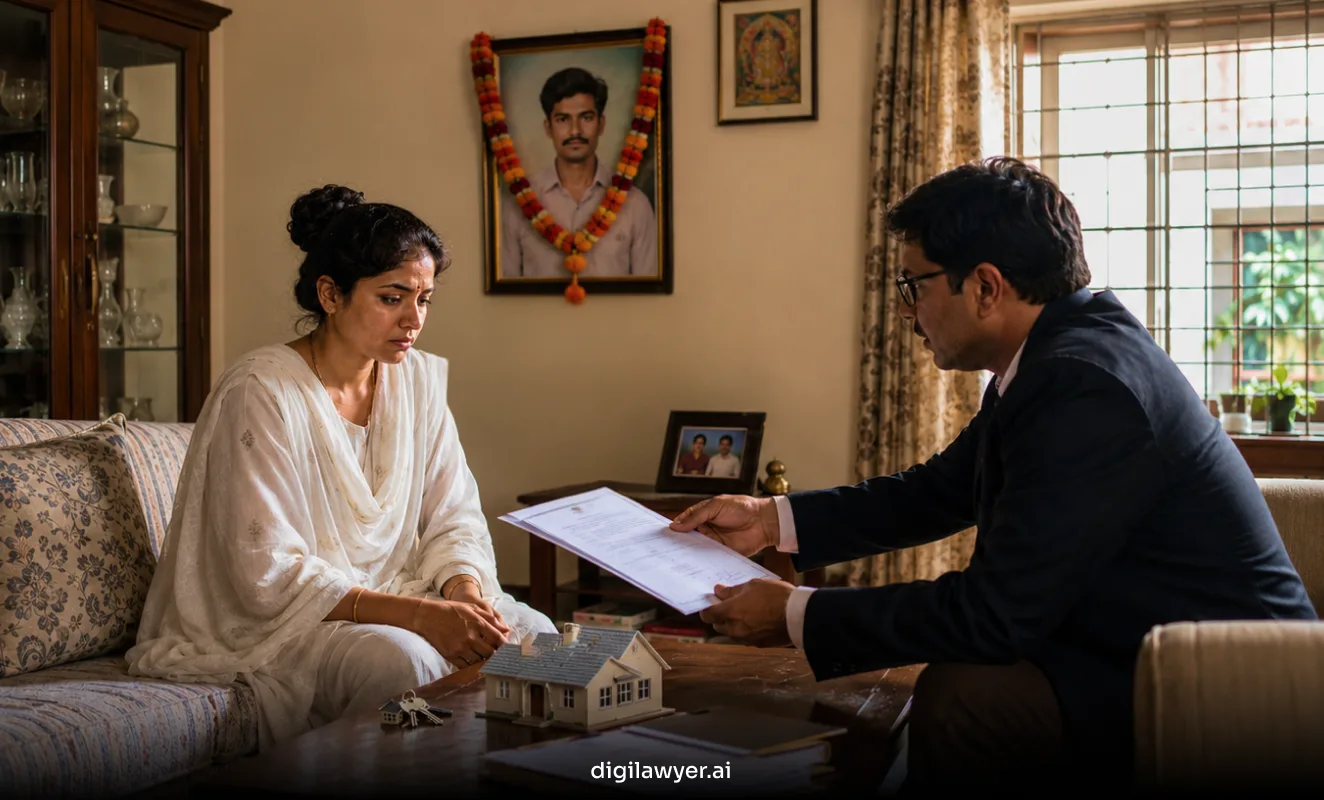
One evening, a woman was sitting with a pile of paperwork, feeling overwhelmed and depressed after her husband’s death. Like many other widows, she believed that she would automatically inherit the property after her husband passed away.
However, the provisions of inheritance law are more complex than they may seem. The wife is not solely entitled to all the property left by her husband after his death. There are many ways to determine a wife's share in her husband's property after his death.
In this blog, we will extensively discuss a wife's share in her husband's property after his death and her property rights.
Self-Acquired and Ancestral Property
Self-acquired property refers to the property that an individual buys or earns from their own investments. The individual who acquires the property has full ownership over the property. He can sell or transfer the property. Although the property has been bought exclusively by an individual, it can be inherited by heirs if stated in a will. Ancestral property refers to the type of property that has been passed down through generations. Ancestral property is undivided until a formal partition takes place.
Property Rights of Wife after Death of Husband
1. Hindu Succession Act, 1956
- Under the Hindu Succession Act, 1956, a widow is one of the Class 1 Heir for the inheritance of property along with the kid(s).
- In the case of one child, the property is divided into 33% shares among Class 1 heirs. In the case of two children, the property is divided into 25% shares among Class 1 heirs.
2. Muslim Personal Law
- Under Muslim personal law, the wife’s share of property after her husband's death depends on several factors.
- If a man has no children, his widow is entitled to one-fourth (1/4) of his property. If the man has children, she is entitled to one-eighth (1/8) of the property.
- If the man has parents but no children or siblings, then the widow is entitled to 1/3rd of the property. If the man has siblings, but no children or parents, then the widow will be entitled to 1/6th of the property.
3. Indian Succession Act, 1925
Under the Indian Succession Act, 1925, the wife is entitled to a share in her husband’s property after his death, regardless of whether a will exists or not. Several factors, such as the presence of other heirs, the nature of the property, or provisions in the will, affect the wife's share.
Can Wife Claim Husband’s Property After his Death?
The answer is simply "yes." A wife can claim her husband's property after his death. When her husband’s property is divided, she will be considered first, along with his children and mother.
If her husband has left a will naming her as a beneficiary, she is entitled to that property.
How to Claim Property Rights?

- Understanding the Legal Framework: The rights of a widow depend on the personal laws applicable in her case- Hindu, Muslim, Christian, or any other law. Each of these laws has its own framework. They provide different rights and procedures to claim the property.
- Identify the Types of Property: Before claiming the properties, it is important to know what type of property the husband has. It can be ancestral or self-acquired.
- Collect Necessary Documents: Collecting all necessary documents for claiming the husband's property is important. It can include: (A) Marriage Certificate (B) Death Certificate of Husband (C) All the Necessary Property Documents (D) Wills or Succession Certificate
- File a Claim: If there is any dispute and the property is not being transferred to widow then she can file a petition in the competent court or tribunal to claim her rights.
- Intestate Succession: If the husband died without any will, the widow could claim according to the laws governing intestate succession. These laws could be Hindu Succession Act, Muslim Personal Laws and Indian Succession Act. These laws have different provisions for widows to claim their deceased husband’s property.
- Mediation and Negotiation: Before filing a petition, it is advisable to mediate or negotiate with other heirs regarding the rightful share of the property and try to reach an amicable solution.
- Legal Notice: If mediation or negotiation doesn’t work, the widow can send a legal notice to the other heirs demanding her share of the property.
Other Factors Affecting Inheritance
- Type of Property: The type of property plays a crucial role in affecting the inheritance. Self-acquired, ancestral or joint property plays a crucial role in determining the inheritance rights of the wife.
- Marital Status: The marital status of the deceased husband and the widow can influence the inheritance. If the husband is married a second time as well, then it can complicate the inheritance.
- Dependents: The number of dependents and their financial status can play a huge role in determining the inheritance. The property will be divided after considering the needs of the dependents.
- Cultural Influence: In some cultures, inheritance traditionally favors male heirs over female heirs. This can still affect the proportions of property inherited. Even though these cultural differences cause some hindrance, the law is above all.
Conclusion
Understanding a wife’s property rights after her husband’s death is essential to secure her financial future and avoid potential disputes. The laws governing inheritance vary depending on religion, type of property, and other factors, making it crucial for widows to be aware of their legal entitlements.
Whether it’s self-acquired or ancestral property, the Hindu Succession Act, Muslim Personal Laws, and Indian Succession Act provide specific provisions to safeguard a widow’s share. By gathering necessary documents, seeking legal advice, and following the proper processes, widows can claim their rightful share and ensure their dignity and security in challenging times.


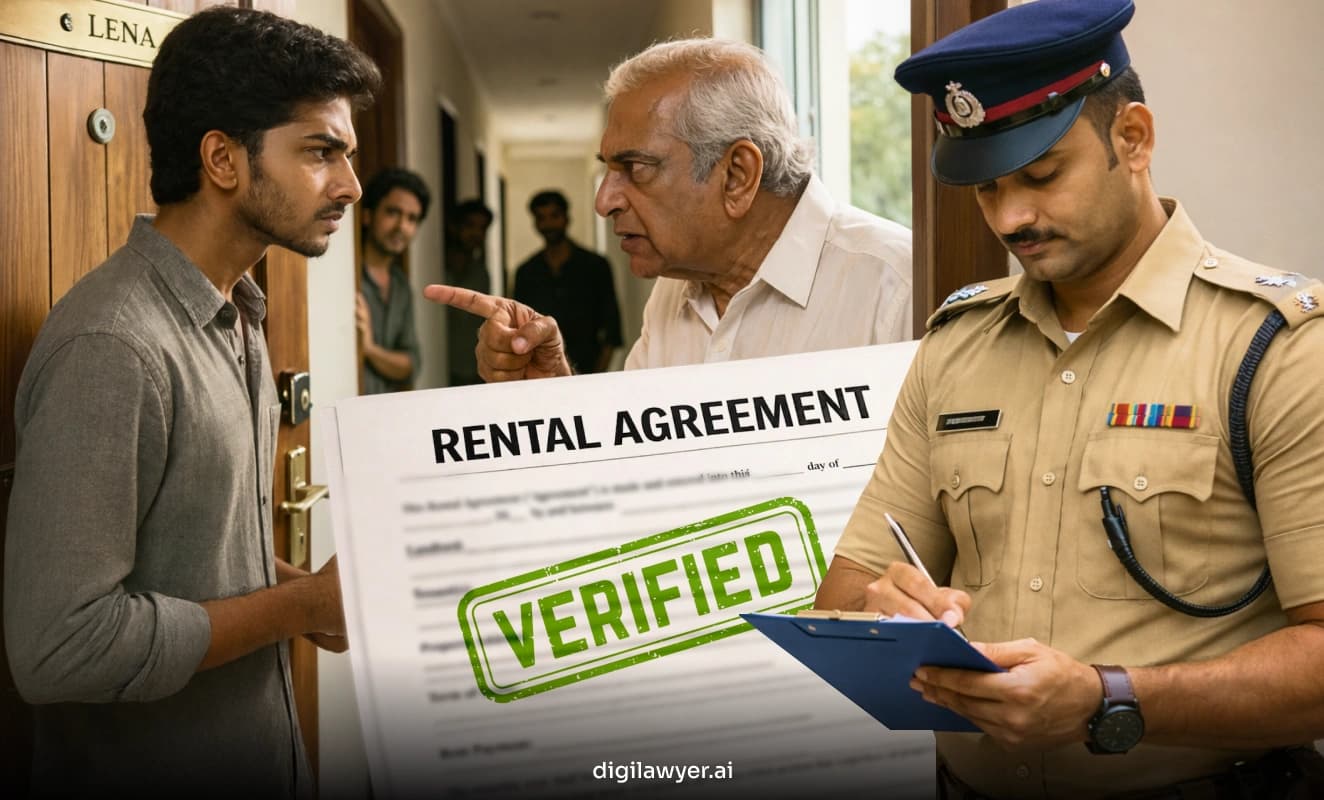
Why Police Verification Is Required for Rent Agreement: Why Landlords Should Do It?
Police verification for tenants helps landlords confirm tenant identity, prevent fraud, and reduce legal risks. This guide explains the process, required documents, applicable legal rules, and how to complete tenant verification easily in India.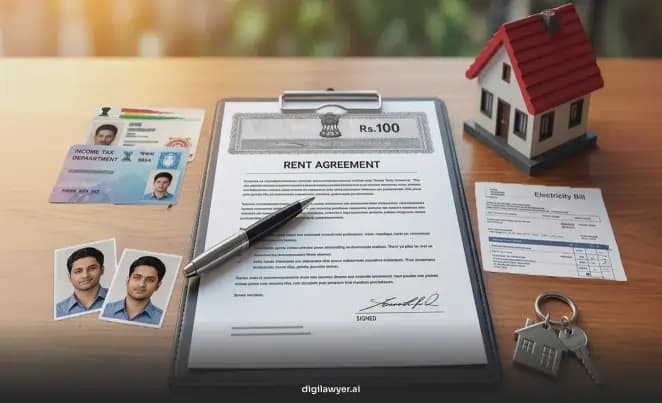
What are the Documents Required for Residential and Commercial Rent Agreement
Discover rent agreement documents required in India. Complete checklist for residential & commercial tenants and landlords with legal guidance and document tips.
Why 11-Month Rent Agreements Are Common in India?
Signing a rent agreement? Understand 11-month agreements in India with legal rules, registration, stamp duty, key clauses, validity & tips to avoid disputes.
Rent vs Lease Agreement in India: Key Legal Differences Explained
Understand the legal difference between rent and lease agreements in India. Compare duration, flexibility, stamp duty, tenant rights, and registration rules to choose the right property agreement.
How to Create a Rent Agreement Online in India
Create a legally valid rental agreement in India for tenants and owners. Learn stamp duty, registration rules, key clauses, documents, & avoid common mistakes.
Rent Agreement Vs Leave & License in India | Key Differences Explained
Don't sign the wrong paper. We break down the rent agreement vs leave and license agreement so you know exactly who holds the rights. Learn the key differences and draft your agreement online today.
DigiLawyer, A 80, A Block, Sector 2, Noida, Uttar Pradesh 201301
Phone: +918178704343
justice@digilawyer.ai





Disclaimer: DigiLawyer is not a law firm, a substitute for a lawyer or law firm, a chartered accountancy firm, or a company secretary firm. We act solely as an intermediary between users and registered professionals, and also offer AI-powered legal assistance, consultation, and document drafting tools to improve access to legal support. Use of our website, services, or AI tools is at the sole risk of the user and does not create any lawyer-client or professional relationship. All consultations and interactions facilitated through our platform are strictly between the user and independent professionals. DigiLawyer is not liable for any actions, decisions, or outcomes arising from the use of our platform, AI tools, or reliance on any advice, consultation, or content provided by us or third-party professionals.
Use of our products and services is subject to our Privacy Policy & Terms of Service

