


When and How to File a Suit for Recovery of Money: A Complete Legal Guide
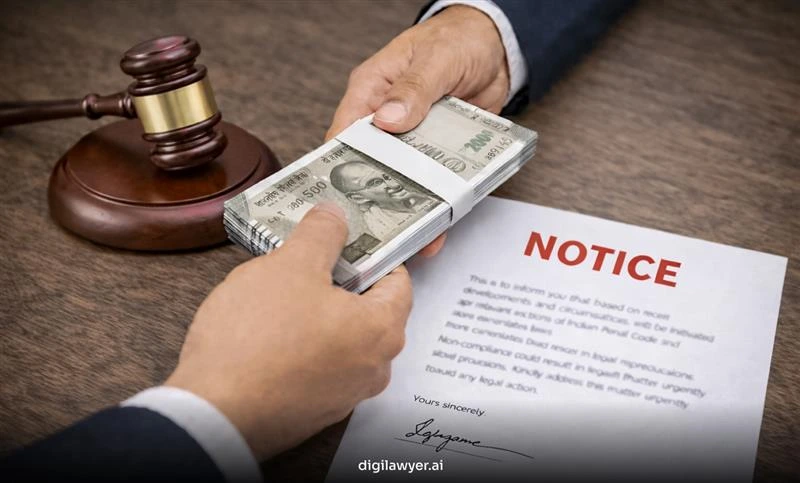
60-second Summary
If someone owes you money and is not paying it back despite repeated reminders, you can file a suit for recovery of money in court. This is how, you can go about it:
- Send a legal notice – Give them a final chance to pay within 15–30 days.
- Collect all proof – Keep agreements, bank records, messages, invoices, or any written acknowledgement.
- Consult a lawyer – They will check your case and decide the right type of suit (summary or regular).
- Draft and file the plaint – This is the main document explaining your claim, filed in the correct court.
- Court process begins – The court sends notice to the other party, hears both sides, and reviews evidence.
- Get judgment and enforce it – If you win, the court orders payment. If they still don’t pay, you can take steps to recover it legally.
You helped someone when they were in need. Maybe a close friend, a relative, or a business partner. You trusted them. But now, the dates keep changing, the calls are going unanswered, and your polite reminders are being ignored.
In such cases the law gives you the right to recover your dues by filing a Money Recovery Suit. This blog walks you through the step-by-step process of filing a money recovery suit and explains how Digilawyer can support you in reclaiming your money
What is a Suit for Recovery of Money?
A money recovery suit is a legal case filed to get back money that someone owes you. It is usually used when payment hasn’t been made for loans, services, agreements, or dishonored payments.
A money recovery suit can be filed when a person wants to recover money they owe to someone within a period of 3 years from the date of lending the money.
Common Situation for Filing a Recovery Suit
You can file a civil suit for recovery of money in situations like:
- Unpaid loans or borrowed money
- Dishonered cheques
- Breach of contract involving monetary loss
- Pending salaries, commissions, or business dues
When to File a Recovery Suit for Money
- Here are a few situation when filing a suit for recovery of money becomes necessary:
- Even after multiple reminders through calls, emails, or messages, the other party has not made the payment or shown any serious intent to repay.
- The other party does not deny that they owe you money, yet they continue to delay or avoid making the payment.
- You have clear evidence such as invoices, agreements, emails, messages, or signed documents that establish the debt and the obligation to pay.
- Under the Limitation Act, you generally have only 3 years to file a case from the date the money becomes due.
- If you sent formal legal notice and the borrower did not reply or refused to pay within the notice period (usually 15 days), it is time to escalate.
👉 If you are navigating a personal dispute, read our blog on How to Recover Money from a Friend Legally? Learn how to use informal methods to recover your money back.
Limitation Period
As per the Limitation Act 1963, the limitation of money recovery suit is 3 years from the date of loan, due date of payment and date of breach of contract. Failing to file within this period can result in rejection of your claim.
Before Filing the Suit, What Should You Do?
Rushing to the court to file a suit should not be your first step. Here are a few situations to consider before you take any legal action:
Send a Legal Notice: A send a formal notice drafted by a lawyer gives the defaulter one last chance to pay before facing legal action.
Gather All Proofs: Keep every document that shows the debt, such as:
- Bank transfer records
- Chat screenshots
- Emails
- invoices
- Signed agreements
- Receipts
- Cheque details
- Call notes, if relevant
Keep a Record of Communication: Save messages, call history, and any written replies. These can help show that you tried to recover the money before filing the case.
How to File a Money Recovery Suit?
Here is a step-by-step process to file a money recovery suit:
1. Consult a Lawyer: The first and most important step is to consult a qualified lawyer who can assess your case, advise on the appropriate type of suit and represent your interests effectively in court.
2. Draft the Plaint: The plaint is the main court document that starts the case. It includes details of the parties, facts of the case, cause of action, amount claimed, and relief sought. Proper drafting is crucial for a strong case.
3. Determine Jurisdiction: You must file the case in the right court. You can file a suit for money recovery:
- where the defendant resides
- Where the defendant carries out business
- Where the course of action arose
4. Pay Court Fees: Applicable court fees for money recovery suit must be paid as per the state laws. The suit cannot proceed without payment of the prescribed fees.
5. File the Suit in Court: Once the plaint is ready and court fees are paid, the suit is formally filed before the appropriate court. The court then registers the case.
6. Court Issues Summons: After admission of the suit, the court issues summons to the defendant, informing them about the case and requiring their appearance.
7. Defendant Files Written Statement: The other side replies in court by filing a written statement and giving their side of the story.
8. Trial Begins (if contested): If the other side (defendant) denies the claim, the case goes to trial. This stage involves:
- Examination of evidence
- Witness testimonies
- Cross examination
- Final arguments
9. Judgment is Passed: After hearing both sides, the court gives its decision. If you win, the court orders the other party to pay which involves the compensation amount. If they still don’t pay, you can take legal steps to enforce the order.
Where to File a Money Recovery Suit
Understanding jurisdiction is essential when filing a recovery suit under the Code of Civil Procedure (CPC). As per Section 20, a suit for recovery of money can be filed in any of the following places:
- Where the defendant resides (the borrower’s current address)
- Where the defendant carries on business (if applicable)
- Where the cause of action arose (for example, where the loan was given or was to be repaid)
Jurisdiction based on claim amount:
- Up to ₹20 lakhs: Typically handled by District or Civil Courts (may vary by state)
- Above ₹20 lakhs: Can be filed in a District Court or the High Court, depending on the applicable state rules.
Which Suit Should You File?
After analyzing your case, your lawyer will suggest one of these two options under the Code of Civil Procedure (CPC).
Feature | Summary Suit | Regular Civil Suit |
Speed | Faster | Slower |
Evidence needed | Strong written proof | Can work with broader evidence |
Defence by other side | More limited | Full defence allowed |
Best for | Clear debt cases | Disputed or informal cases |
1. The Summary Suit (Order 37)
This is the fastest way to get your money. Use this if you have a written agreement, a bounced cheque, or a promissory note. In this suit, the borrower cannot drag the case for years with fake excuses. They have to ask the judge for special permission to even defend themselves. If they cannot give a good reason for not paying, the judge can pass an order in your favour very quickly.
2. The Ordinary Money Suit
If your evidence is a bit informal, such as only WhatsApp chats, email threads, or witness statements, you file a regular suit. This takes longer because both sides get a full chance to present witnesses and cross examine each other.
Documents Required for Filing a Money Recovery Suit
- Identity proof of the person filing the case
- Agreements or contracts
- Invoices or bills
- Bank statements
- Legal notice copy
- Proof of Communications
Note: Although the above mentioned documents are mandatory, the requirement of documents differs according to the case.
Contents of a Plaint
A properly drafted plaint must include:
- Name and details of parties
- Facts of the case
- Cause of action
- Amount claimed
- Jurisdiction details
- Relief sought
If you're unsure, you can ask a lawyer to draft a suit for recovery of money professionally
Where to File the Suit?
Jurisdiction depends on:
- Location of defendant
- Place where cause of action arose
- Value of the claim
Court Fees and Costs to File a Suit for Money Recovery
Calculating the cost of a money recovery suit is the most important step in your cost analysis.
Court fees for money recovery suits differ from state to state. Generally it depends on the amount claimed or the type of suit. The total cost of filing a suit generally includes court fees, advocate fees, process fees, and other incidental expenses.
Court Fees (Approximate)
Claim Amount | Court Fee | State Variations |
Up to ₹1 lakh | ₹1,500-3,000 | Delhi, Mumbai, Bangalore |
₹1-5 lakhs | ₹3,000-10,000 | Most states |
₹5-20 lakhs | ₹10,000-40,000 | Commercial courts may charge more |
Above ₹20 lakhs | Ad valorem (percentage-based) | 2-5% of claim amount |
Timeframe for Recovery
- Summary suit: 6 months to 1.5 years
- Regular civil suit: 2–5 years (or longer depending on complexity
Summary Suit vs Regular Suit
Feature | Summary Suit | Regular Suit |
Speed | Faster | Slower |
Defense | Limited | Full |
Applicability | Specific cases | All cases |
Trial | Minimal | Detailed |
Legal Framework
Money recovery suits fall under these laws:
- Civil Procedure Code (CPC), 1908
- Indian Contract Act, 1872
- Negotiable Instruments Act (in cheque bounce cases)
How Digilawyer Can Help?
Legal platforms like DigiLawyer simplify the process of filing and managing a suit for recovery of money by offering end-to-end legal support.
Connecting with experienced lawyers: Get access to qualified legal professionals who specialize in money recovery matters and assist you with filing suits for recovery of money.
Drafting legal notices: Professionally drafted notices to initiate recovery before litigation.
Documentation support: Help in organizing and preparing all necessary documents for your case.
Recovery Suit Filing: Digilawyer helps in filing all forms of recovery suit-summary, regular or commercial suit.
Online Procedure: We follow a complete online process and provide you regular updates.
FAQ's
Can I recover money I gave in cash?
Yes, but you will need supporting proof such as messages, witnesses, or any acknowledgment from the other side.
What is a money recovery suit under CPC?
It is a civil suit filed under CPC provisions to recover unpaid money.
Can I file a case without a written agreement?
Yes, but evidence like messages, emails, and witnesses becomes crucial.
Is there any criminal suit for recovery of money?
No direct criminal suit exists, but certain cases (like cheque bounce) involve criminal proceedings.
What is the limitation period for filing a money recovery suit?
Generally 3 years from the date the money became due.
How much is the court fees to file suit for recovery of money?
It depends on the claim amount and state laws.
Is there a criminal suit for recovery of money?
There is no direct criminal suit for recovery of money. However, cases like cheque dishonor can be filed under Section 138 of the Negotiable Instruments Act, 1881.
Do I need a lawyer to file a suit for recovery of money?
While not mandatory, it is highly recommended to engage a lawyer to ensure proper drafting, filing, and representation in court.
You can consult a legal expert through Digilawyer at just ₹499 for a 20 minute consultation, making professional legal advice accessible and affordable.
Can I handle everything online?
Yes, most steps from consultation to documentation and case updates can be managed online, saving time and effort.
In case of cheque bounce should I file money recovery suit or cheque bounce case?
You can actually do both at the same time. Filing a cheque bounce case falls under criminal proceeding whereas filing a money recovery suit is a civil proceeding. The goal is purely to get your money back plus interest.
Filing a civil suit ensures you have a legal claim to seize their assets if they refuse to pay. DigiLawyer recommends starting with a criminal notice under Section 138. If they don't pay within 15 days, filing both cases simultaneously creates maximum legal pressure.
What happens if I have no record of the transaction?
If you have no bank statement, no receipt, and no written agreement, you can still build your claim using indirect evidence. For example, WhatsApp chats, SMS, emails, or call recordings where the borrower acknowledges the debt can support your case.
Even witnesses who were present when the money was given can help, though they are considered weaker than documentary proof.


- What is a Suit for Recovery of Money?
- Common Situation for Filing a Recovery Suit
- When to File a Recovery Suit for Money
- Limitation Period
- Before Filing the Suit, What Should You Do?
- How to File a Money Recovery Suit?
- Where to File a Money Recovery Suit
- Which Suit Should You File?
- 1. The Summary Suit (Order 37)
- 2. The Ordinary Money Suit
- Documents Required for Filing a Money Recovery Suit
- Contents of a Plaint
- Where to File the Suit?
- Court Fees and Costs to File a Suit for Money Recovery
- Court Fees (Approximate)
- Timeframe for Recovery
- Summary Suit vs Regular Suit
- Legal Framework
- How Digilawyer Can Help?
- FAQ's

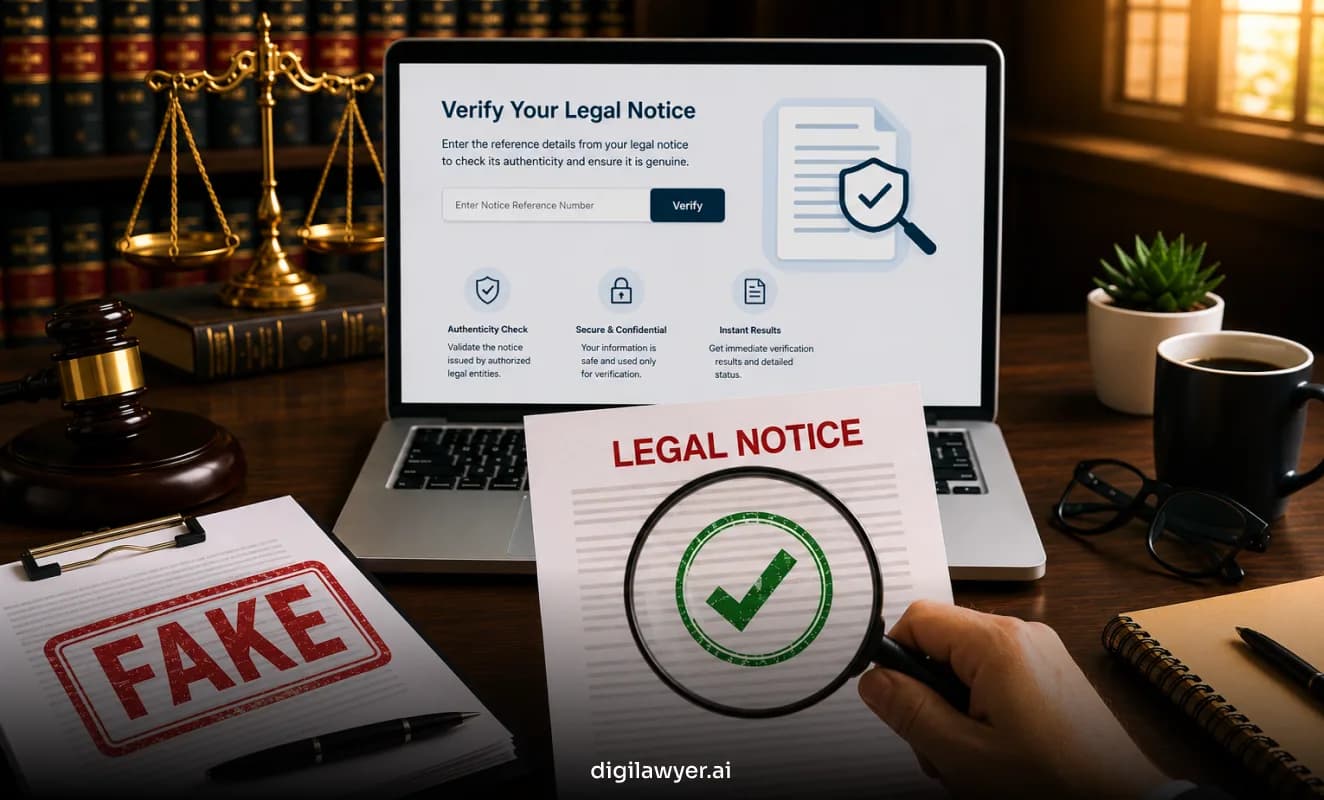
How to Check if a Legal Notice Is Original or Fake
Learn how to identify fake legal notices, warning signs, scams & verification steps to protect yourself from fraud, extortion and fake court threats.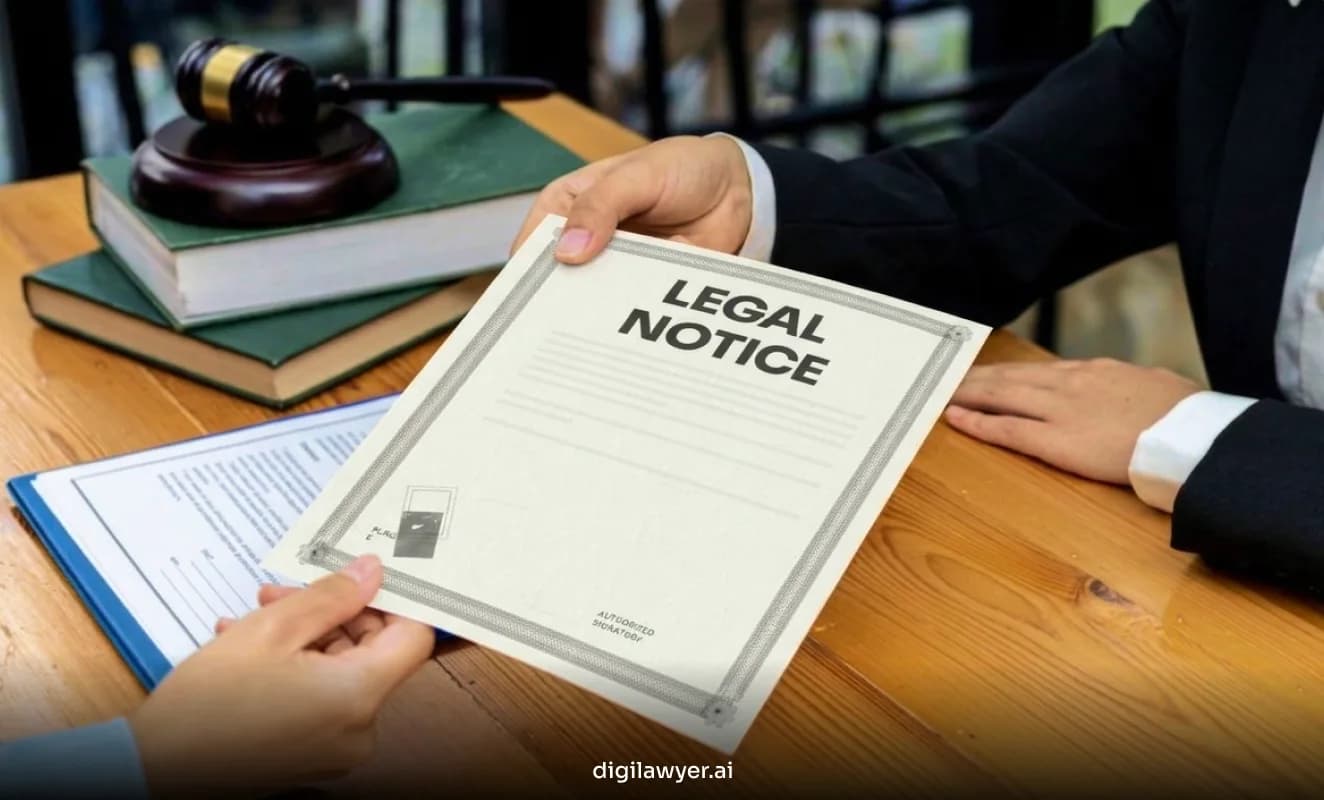
What to Do After Receiving a Legal Notice - How to Reply Properly
A practical guide on what to do after receiving a legal notice, including steps to respond, common mistakes to avoid, and how to protect your legal position.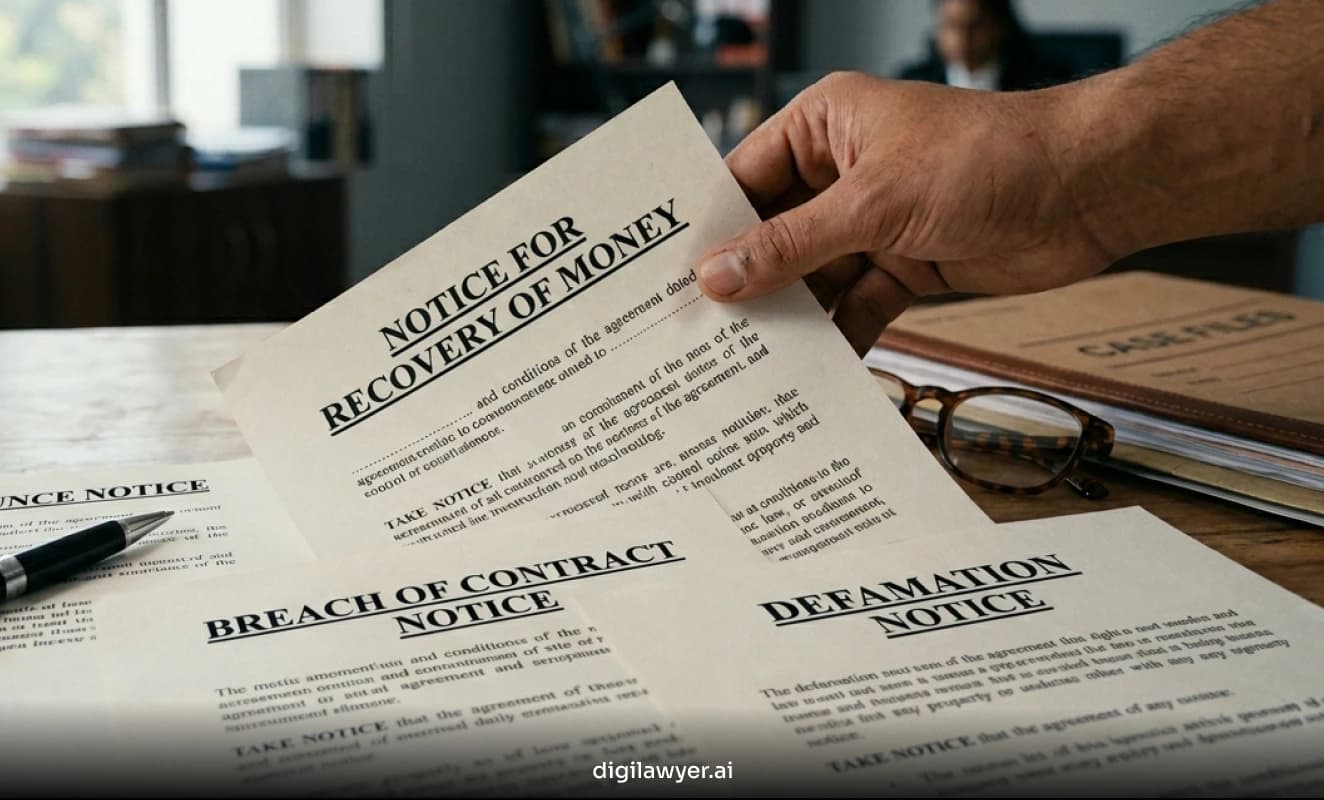
Types of Legal Notices and How to Choose the Right One
Learn the different types of legal notices in India, when to send them, and how they help resolve disputes without going to court. Simple guide with examples and tips.
Ways to Recover Money from a Friend or Someone Else
Explore how to get your money back from friends practically and legally, with clear steps, requirements, and practical approaches
DigiLawyer, A 80, A Block, Sector 2, Noida, Uttar Pradesh 201301
Phone: +918178704343
justice@digilawyer.ai





Disclaimer: DigiLawyer is not a law firm, a substitute for a lawyer or law firm, a chartered accountancy firm, or a company secretary firm. We act solely as an intermediary between users and registered professionals, and also offer AI-powered legal assistance, consultation, and document drafting tools to improve access to legal support. Use of our website, services, or AI tools is at the sole risk of the user and does not create any lawyer-client or professional relationship. All consultations and interactions facilitated through our platform are strictly between the user and independent professionals. DigiLawyer is not liable for any actions, decisions, or outcomes arising from the use of our platform, AI tools, or reliance on any advice, consultation, or content provided by us or third-party professionals.
Use of our products and services is subject to our Privacy Policy & Terms of Service

