



Pay or Settle Multiple Traffic Challans At Once
Manage, track, and settle pending traffic challans across your entire fleet from a single dashboard, without visiting multiple state portals, courts, or transport offices.100%
Online Resolution
₹70 Lakh+
Challan Amount Settled for Fleet Owners
Pan-India
Multi-State Coverage
Zero
Court Visits Required
5k+
Fleet Vehicles Managed
Simplify Fleet Challan Management with a Centralized Digital Platform



Types of Fleet Challans and Cases We Handle
What you get
What you get
What you get
What you get
What you get
What you get
Bulk Challan Management in 3 Steps
How to Check Challans for Multiple Vehicles at Once
Whether you're managing 10 vehicles or 1,000, DigiLawyer helps businesses handle multiple pending traffic challans through a streamlined legal and compliance process.Why Fleet Owners Need to Pay Challans on Time?
Traffic challans are not just fines. For fleet operators, they are compliance signals. An unpaid challan is not a forgettable expense. It sits in the system and creates downstream problems that cost more than the original fine.
Penalties increase over time. Most states apply escalation rules. A ₹500 challan left unpaid for 90 days can become ₹1,500 or more, depending on the violation type and jurisdiction. The Motor Vehicles (Amendment) Act, 2019 raised base penalties significantly, and enforcement systems are tracking timelines more closely now.
Court escalation is automatic in many cases. If a challan is not settled within the prescribed window, some states auto-escalate it to a court matter. Once it reaches court, your driver needs to appear, or a lawyer needs to represent them. Either way, the cost and complexity jump.
NTBT flags can block your vehicle. NTBT (Not To Be Transacted) is a central blocking mechanism. If a vehicle is flagged, it cannot renew fitness certificates, process insurance, or complete RC transfers. For a logistics company, one blocked truck can mean delayed shipments and contract penalties.
Compliance audits look at challan history. If your fleet is being evaluated for a contract, an insurance renewal, or a government permit, outstanding challans show up. They signal operational risk. Clearing them proactively keeps your compliance record clean.
The cost of inaction is always higher than the cost of settling.
Ways to Extract Multiple Challan Data
DigiLawyer provides a simple interface that enables businesses and fleet operators to check and manage multiple traffic challans at once. Our B2B challan lawyers retrieve data from reliable government sources to provide accurate and up-to-date information on pending traffic challans.
Step 1: Visit the DigiLawyer ‘Pay or Settle Multiple Traffic Challans At Once’ section
Go to the DigiLawyer website or mobile application and navigate to the "Pay or Settle Multiple Traffic Challans at Once" section.
Step 2: Enter Your Registered Mobile Number
Sign in via your registered mobile number. Click on "Resolve Challans Now". Once we receive your submitted request, our legal team will proceed with extracting all pending challans associated with the vehicles.
Step 3: Extract Pending Challans
Our B2B challan lawyers will extract the list of pending challans, including details such as:
- Date and time of the violation
- Location of the offence
- Nature of the traffic violation
- Challan amount and status
This helps ensure that all challan information is accurate before proceeding. You can further connect with us for multiple challan settlement.
How to Pay or Settle Multiple Challans in Bulk
DigiLawyer aggregates pending challan data for your entire fleet from Parivahan and various state traffic portals through a single process.
What You Need to Do? Simply share your vehicle registration numbers with us.
What DigiLawyer Will Do? Here is the process that our B2B challan lawyers will follow to settle multiple challans for your fleet:
- Check and compile all pending challans across your fleet.
- Provide a consolidated report covering every vehicle.
- Offer commercial proposals and turnaround timelines (TAT) with phase-wise settlement plans for challans in different state like Delhi, Uttar Pradesh, etc.
- File applications in bulk before regular courts and virtual courts, where applicable.
- Coordinate court appearances and fine payments on scheduled hearing dates.
- Assist with clearance from the RTO or traffic authorities, including updating the status on online portals such as mParivahan.
- Share challan receipts through weekly consolidated reports via email, WhatsApp, or directly through the DigiLawyer dashboard (coming soon).
Note: Settlement costs vary depending on the state, jurisdiction, nature of the violation, and court requirements.
Why Businesses are Choosing DigiLawyer for Multiple Challan Settlement?
- No portal logins required.
- No spreadsheets to maintain.
- No manual weekly monitoring.
- Centralized fleet challan management.
- Proactive identification of newly issued challans during each reporting cycle.
When new challans are detected, we automatically flag them in your next reporting cycle, helping you stay compliant and avoid unnecessary penalties.
How DigiLawyer's Centralized Fleet Management System is Better than Parivahan check?
Method | Works For | Breaks When |
Manual Parivahan check | 1 to 3 vehicles | Fleet exceeds 5 vehicles or spans multiple states |
Internal Excel tracker | Small teams with dedicated time | The person managing it has other responsibilities |
DigiLawyer fleet dashboard | 2 to 500+ vehicles | Does not break. New challans auto-added each cycle |
How to Avoid Fleet Challans: Prevention Checklist for Fleet Managers
Settlement is one side of the problem. Prevention is the other. Here is what fleet managers can do to reduce challan frequency across their vehicles.
1. No Drunk Driving - Zero Tolerance Policy
Drunk driving carries one of the highest penalties under the Motor Vehicles Act (₹10,000 first offence, up to 6 months imprisonment for repeat offence). Implement a strict no-alcohol policy for all drivers. Random breath tests before shifts, if feasible, send a strong signal.
2. No Overloading - Enforce Load Limits
Overloading is the most expensive recurring violation for transport fleets. ₹20,000 base fine plus per-tonne charges in many states. Weigh vehicles before dispatch. Train loading teams on permissible limits per vehicle category.
3. No Vehicle Modification - Keep It Stock
Unauthorised modifications (altered silencers, tinted glass, non-standard lights) attract challans and can lead to vehicle impounding. Ensure all fleet vehicles meet factory specifications and pass fitness inspections without modifications.
4. Drive in Lane - Enforce Route Discipline
Lane violations and wrong-side driving are increasingly caught by traffic cameras. Train drivers on lane discipline, especially on highways and in cities with active ANPR enforcement.
5. Avoid Long Driving Hours - Mandate Rest Breaks
Fatigued driving leads to speeding violations, signal jumps, and accidents. The Motor Transport Workers Act requires rest periods for commercial drivers. Enforce shift limits. Rotate drivers on long-haul routes.
6. Keep Documents Current - Proper Testing and Certification
Expired insurance, PUC certificates, fitness certificates, and permits are easy violations to avoid. Set up a document expiry tracker for every vehicle. Renew before the deadline, not after a challan forces it.
7. Use Pre-Challan Alerts
Most violations are discovered after the challan is issued. DigiLawyer's monitoring flags potential issues early, giving fleet managers a window to act before penalties are generated.
What Happens When Fleet Challans Go Unresolved
Ignoring challans does not make them disappear. For fleet operators, the consequences compound over time. Here is what happens at each stage.
Stage 1: Increased Penalties
Most states apply escalation to unpaid challans. The original fine amount can double or triple based on the delay period and violation type. What starts as a ₹500 fine can become ₹1,500 or more without any additional violation.
Stage 2: Court Escalation
Unresolved challans in many jurisdictions are automatically forwarded to traffic courts. Once a challan becomes a court matter, your driver receives a summons. Ignoring the summons can result in a non-bailable warrant. This is no longer a fine. It is a legal proceeding.
Stage 3: NTBT Vehicle Blocking
NTBT (Not To Be Transacted) is the central mechanism for blocking non-compliant vehicles. A flagged vehicle cannot:
- Renew fitness certificates
- Process insurance claims
- Complete RC transfers
- Clear RTO inspections
For a logistics company, one blocked vehicle means one truck off the road. For a fleet of 50, even 5 NTBT blocks can disrupt delivery schedules and contract commitments.
Stage 4: Registration-Related Complications
Persistent non-compliance can affect the vehicle's registration status. In extreme cases, RTO authorities can suspend or cancel registration, effectively grounding the vehicle until all outstanding matters are resolved.
Stage 5: Operational Disruption
Drivers called to court, vehicles pulled off routes, insurance renewals delayed, fitness certificates held up. Each unresolved challan creates a thread that, left long enough, tangles into operational disruption that costs far more than the original fine.
Stage 6: Compliance Risks During Audits
Fleet operators bidding for contracts, renewing permits, or undergoing regulatory review need a clean compliance record. Outstanding challans show up. They signal risk to auditors, insurers, and potential clients.
Stage 7: Increased Administrative Burden
Every unresolved challan becomes a task someone on your team has to track, follow up on, and eventually resolve. The longer the delay, the more complex the resolution. What takes 15 minutes today takes a full day six months from now.
The earlier issues are identified, the easier and less expensive they are to resolve.
Multiple Resolution Routes. One Platform.
WHAT YOU GET
WHAT YOU GET
WHAT YOU GET
WHAT YOU GET
WHAT YOU GET
WHAT YOU GET
Built for Businesses Managing Multiple Vehicles
Benefits
Benefits
Who Is This For?
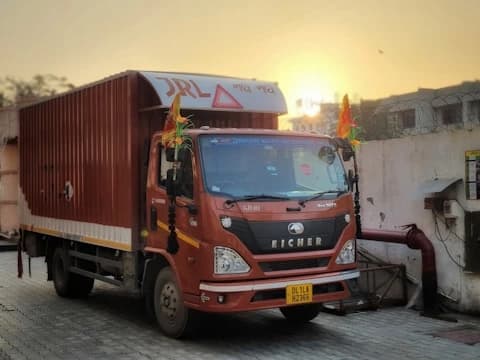
Logistics and Transport

Last-Mile Delivery and Aggregators
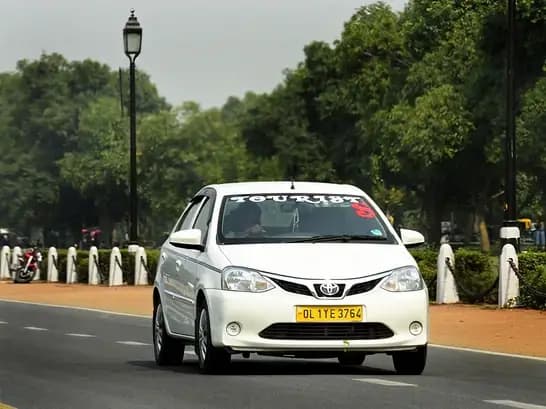
Taxi and Mobility Operators

Corporate Fleets

Car Rental and Leasing Companies
How to Avoid Fleet Challans: Prevention Checklist for Fleet Managers
🍺 No Drunk Driving – Zero Tolerance
🚚 Avoid Overloading – Follow Load Limits
🛣️ Stay in Your Lane – Avoid Wrong-Side Driving
🔧 No Unauthorized Vehicle Modifications
😴 Avoid Fatigue – Take Mandatory Rest Breaks
📄 Carry Valid Docs – Insurance, PUC, Fitness, Permit
🔔 Use Pre-Challan Alerts & Compliance Monitoring


Traditional Challan Management vs DigiLawyer
- Check multiple state portals manually for each vehicle
- HR or operations team tracks challans in spreadsheets
- No visibility until a challan escalates to court or NTBT block
- Find and hire a local lawyer per state (₹3,000 - ₹5,000 per case)
- Staff take leaves for court appearances and RTO follow-ups
- No pre-challan alerts, violations discovered weeks late
- Scattered receipts, no single GST invoice, hard to expense
- Pay full amount + penalty + legal fees on every challan

- Upload vehicle list once. Dashboard pulls challans from every state
- Automated categorisation: e-challan, court, Lok Adalat, NTBT
- Daily NTBT monitoring with instant WhatsApp alerts
- Pan-India lawyer network handles filings and appearances
- Zero employee time lost. Fully remote resolution
- Pre-challan alerts catch violations before penalties arrive
- Monthly consolidated invoice. Single GST billing. Easy to expense
- Up to 50% reduction on compoundable challans via Lok Adalat Pay Your E-Challan Now
Frequently Asked Questions
Do you provide a single GST invoice for all settlements?
Yes. You receive a monthly consolidated invoice covering all settlements, filings, and services. Single GST billing, clean accounting trail, easy to expense. No scattered receipts across states.
Do you support commercial fleets?
Yes. The solution is designed specifically for commercial and business fleets. Fleet owners, transport companies, cab aggregators, car rental businesses, and corporates with employee-assigned vehicles all use the platform.
What actually happens when a fleet challan goes unpaid?
Unpaid challans can escalate in several ways: increased penalty amounts, court summons for the driver, NTBT blocking (which prevents fitness renewal, insurance processing, and RC transfer), and compliance flags during audits. The longer a challan sits, the more expensive and disruptive it gets.
What documents are required?
Requirements vary depending on the challan type and resolution route. At minimum, vehicle registration numbers and company contact details are needed. For Lok Adalat filings, we may ask for vehicle RC copies and authorisation letters. Our team guides you through everything.
What is NTBT and how does it affect my fleet?
NTBT stands for "Not To Be Transacted." It refers to vehicle-blocking conditions arising from unresolved compliance issues. A flagged vehicle cannot renew fitness certificates, process insurance claims, or transfer RC. The platform monitors your fleet against NTBT records daily and helps resolve blocks before they impact operations.
Is this service only for large fleets?
No. Whether you have 2 vehicles or 200, the platform works for you. Solo business owners with a company car benefit from bulk tracking and Lok Adalat filing the same way a 100-vehicle fleet does. The more vehicles, the more you save per challan.
Can I check challans from different states?
Yes. Multi-state challan visibility is supported. Whether your fleet runs in Delhi-NCR, Maharashtra, Karnataka, or any cross-state route, the dashboard pulls challans from every jurisdiction into a single view.
Can I settle challans for multiple vehicles together?
Yes. The platform supports bulk challan management and settlement workflows. Upload your vehicle numbers through Excel or API, and the system fetches pending challans from every state transport portal your vehicles are registered in. You get one consolidated report and can settle in bulk.
Can disputed challans be tracked?
Yes. Disputed matters can be monitored separately within the dashboard. Wrong challans, duplicate entries, and contested violations are flagged and tracked through the dispute process with full status visibility.
Latest News, Blogs and Updates
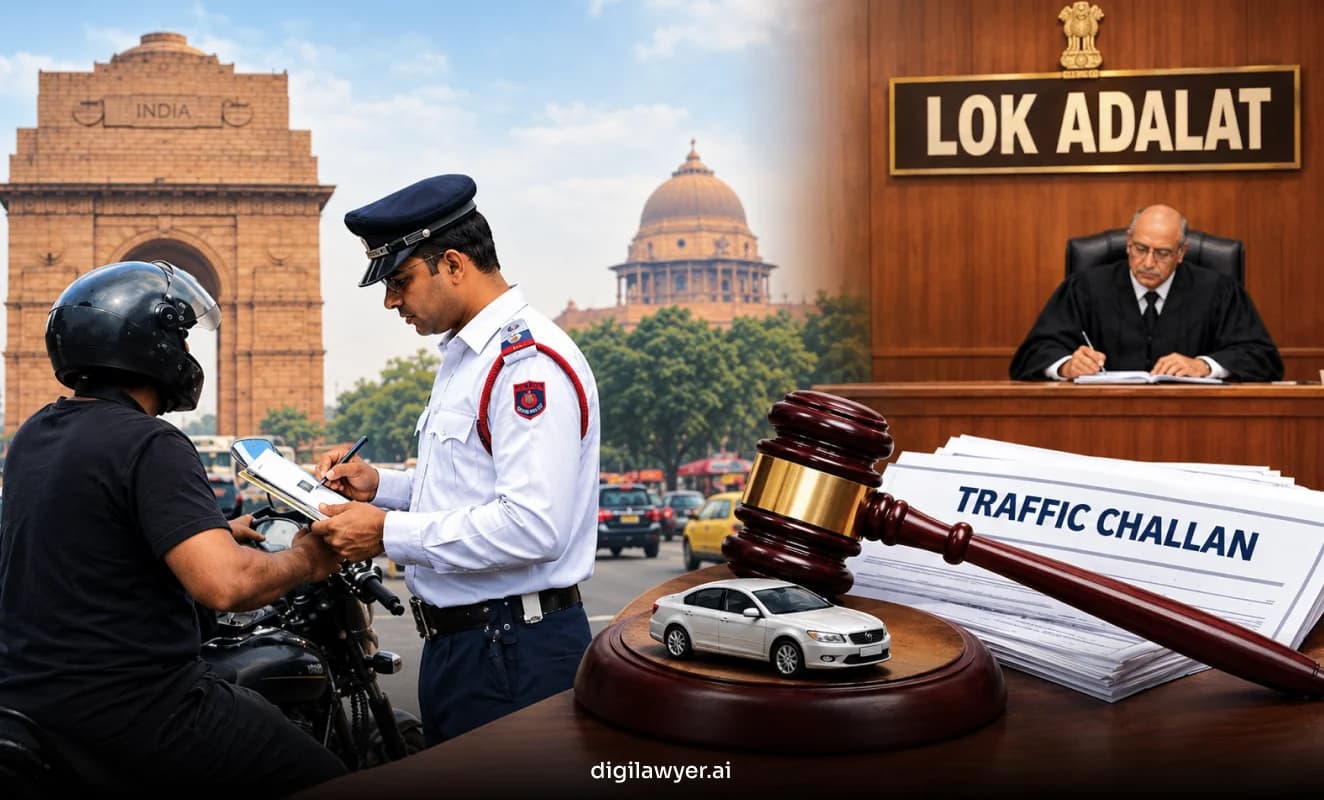
Delhi Traffic Lok Adalat 2026: Complete Guide to Challan Settlement in Delhi
Delhi's National Lok Adalat for traffic challans to be held on Sunday, 25 October 2026. Token booking is mandatory online on the Delhi Traffic Police portal, walk-ins are not accepted. Book to settle eligible compoundable challans now.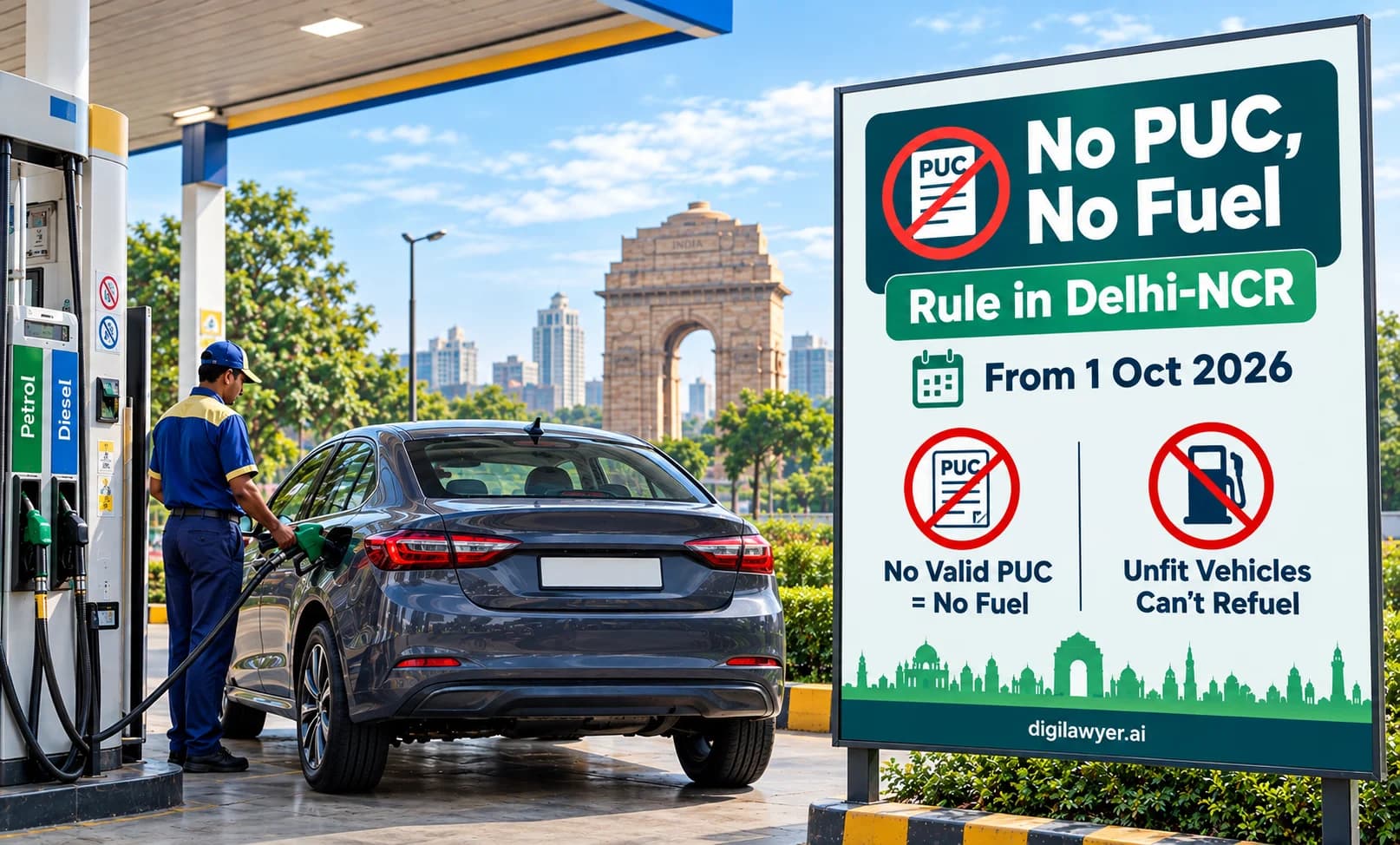
'No PUC, No Fuel' Rule Applies From 1st Oct Across Delhi-NCR
What is the "No PUC, No Fuel" rule? From 1 Oct, no valid Pollution Under Control (PUC) certificate means you lose access to fuel across Delhi-NCR. Learn who is affected and what Delhi vehicle owners should do now.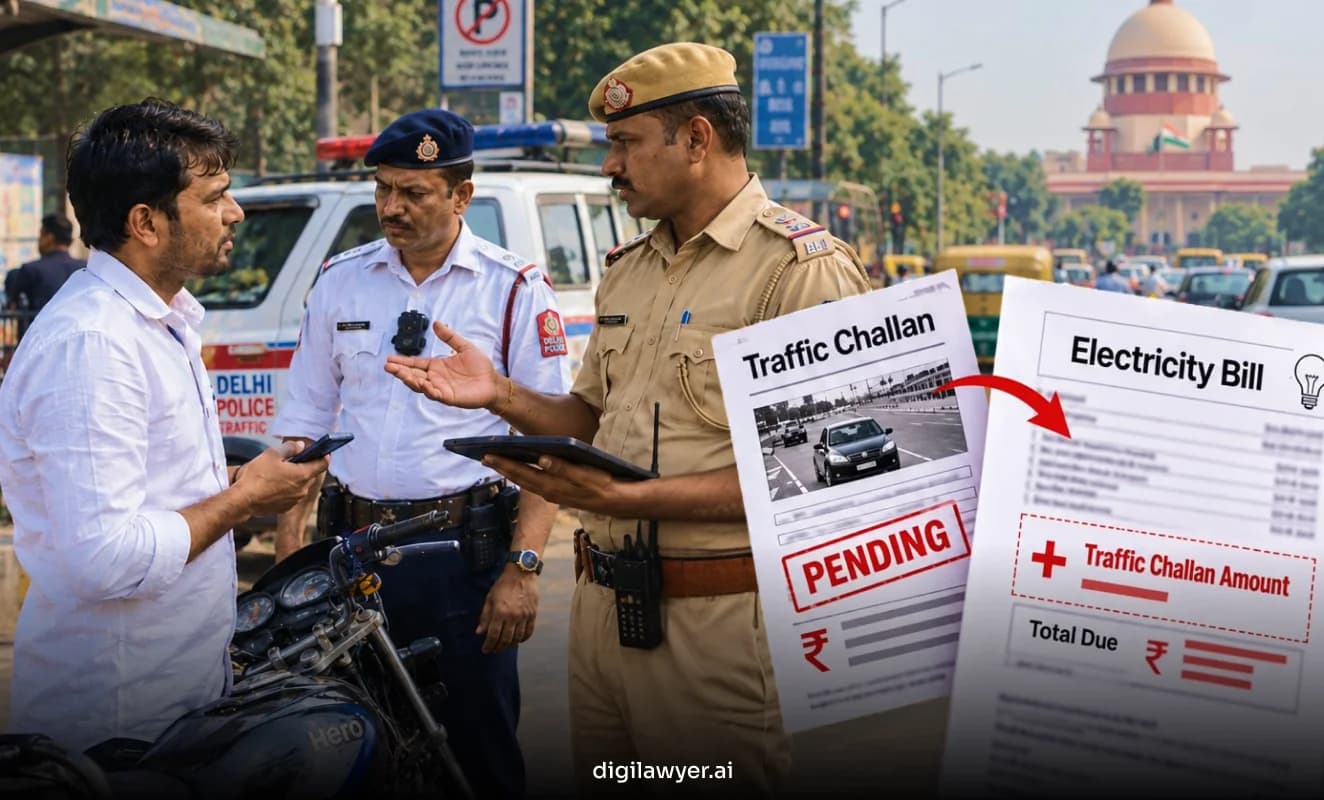
Supreme Court Proposes Strict Measures for Unpaid Traffic Challans
The Supreme Court has expressed concern over more than ₹20,000 crore in unpaid traffic challans across India and discussed stricter recovery mechanisms. Suggestions still under consideration.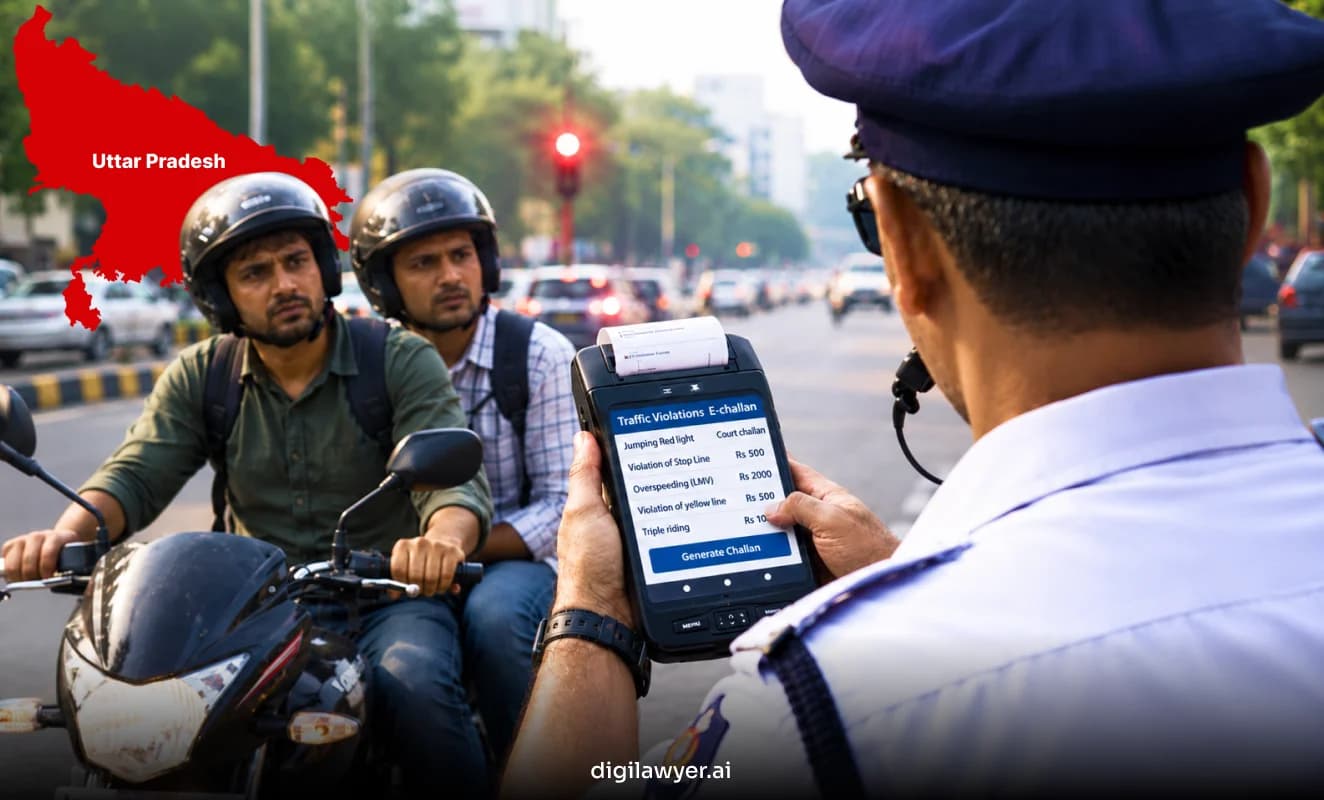
Traffic Violations and Fines in UP
Received a traffic police challan in Uttar Pradesh? Don’t ignore it. First, check what you’ve been fined for and how much you need to pay.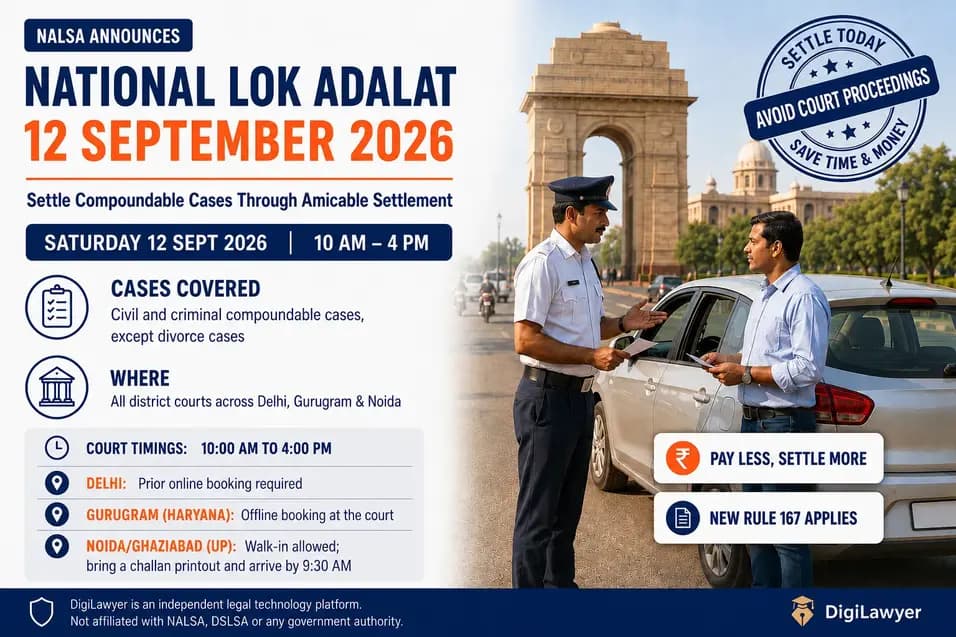
National Lok Adalat in Delhi 25 October 2026: Token & Registration Process
The 3rd National Lok Adalat of 2026 is scheduled for September 12, 2026 (Saturday), across every state and union territory in India, except Delhi. For motorists or vehicle owners, this is the next real opportunity to clear pending compoundable traffic challans at a reduced amount.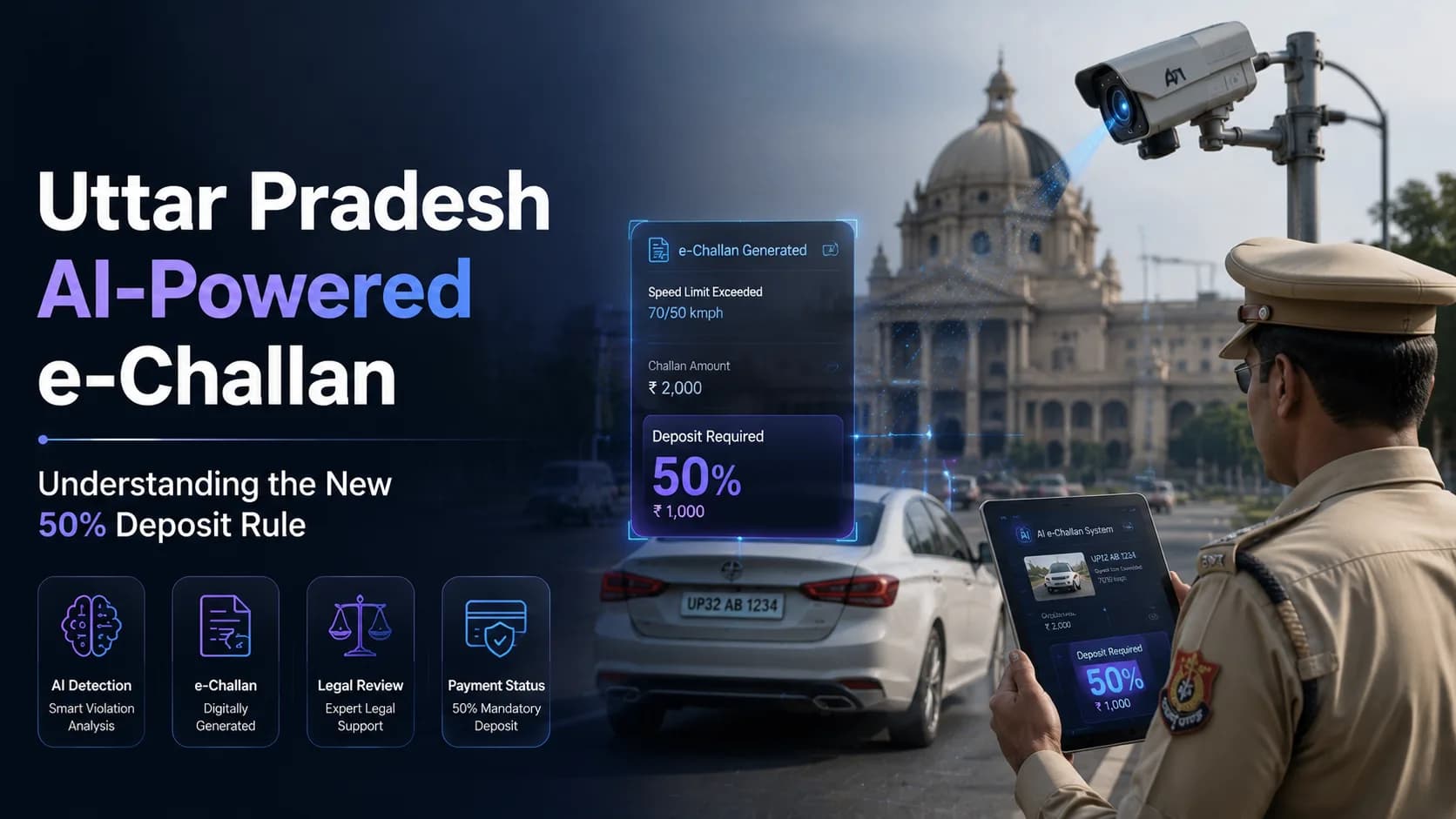
Uttar Pradesh AI-Powered e-Challan System: Is a 50% Deposit Required to Challenge an e-Challan?
Learn about Uttar Pradesh's (Noida) proposed AI-powered e-Challan system, the official notification, the 45-day e-Challan service requirement, the 50% deposit provision for challenging an e-Challan, and its impact on vehicle owners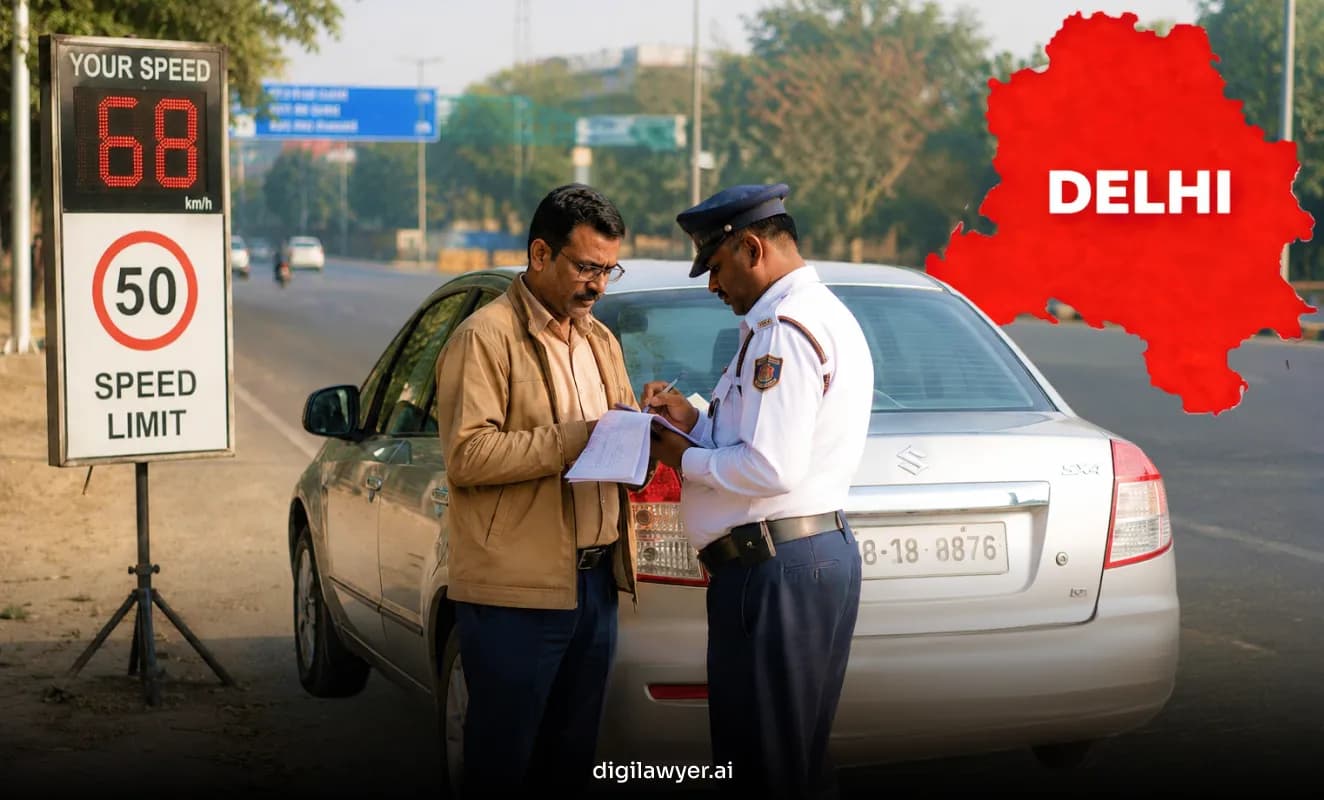
Overspeeding Challan in Delhi: Check Fine Amount, Payment & Settlement Options
Did you receive a challan for overspeeding in Delhi? This guide can help you check overspeeding challan fine status and process to contest.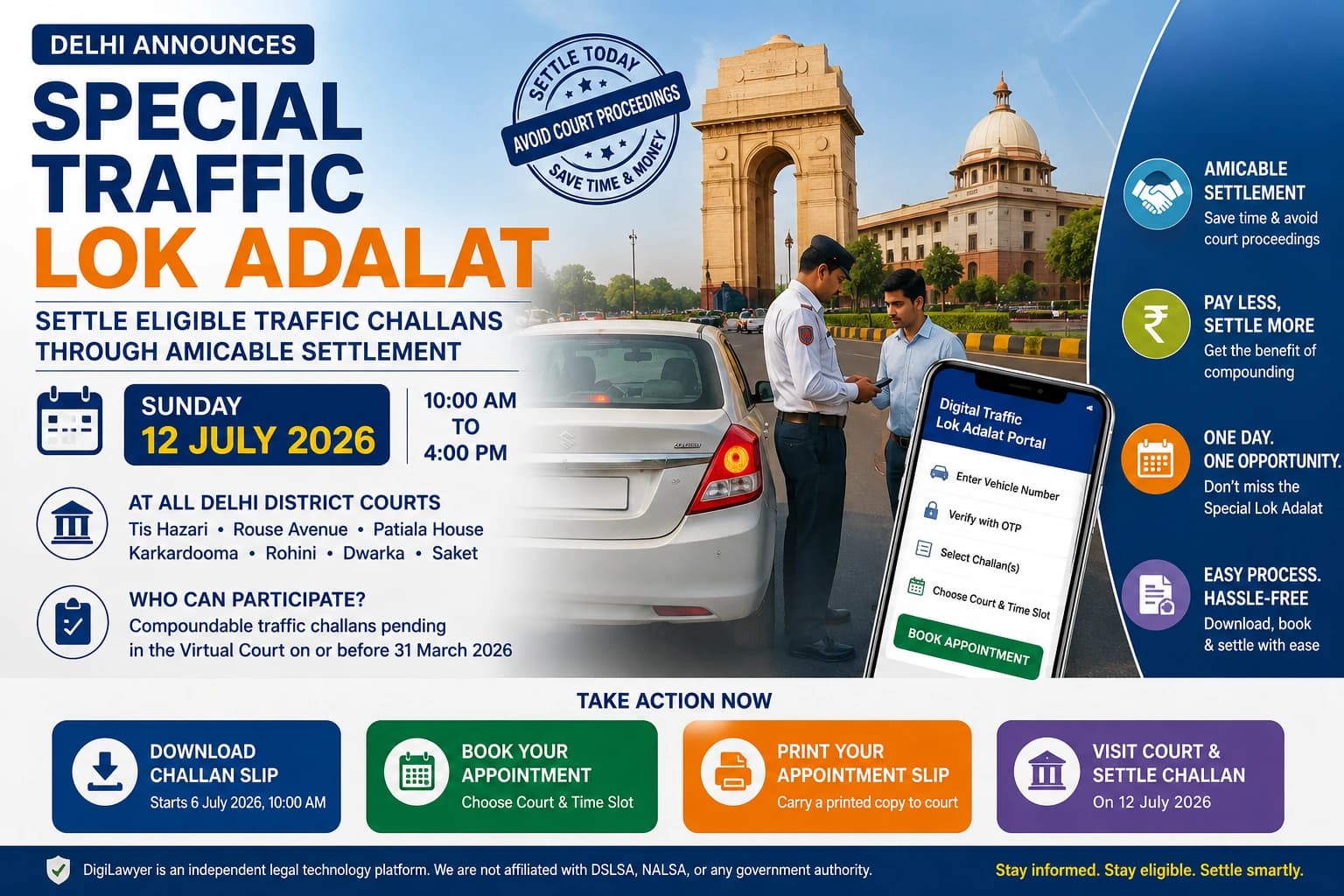
Delhi Special Lok Adalat on 12 July: Booking Dates, Venue & Eligibility Criteria
DSLSA has announced a Special Lok Adalat for the settlement of eligible compoundable traffic challans on 12 July 2026. Appointment booking will begin on 6 July 2026, 10:00 AM. Learn who is eligible, how to book, and which challans qualify.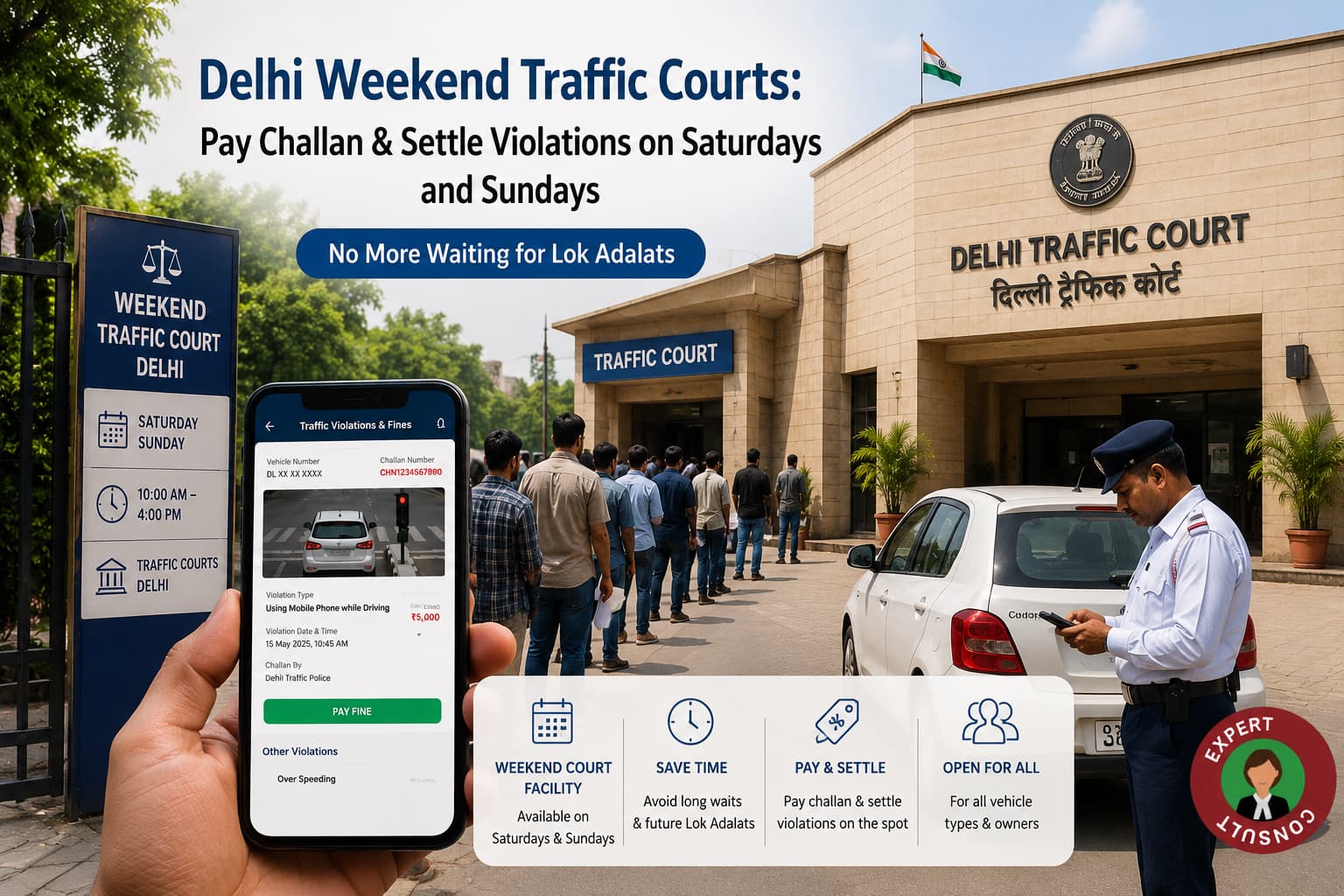
Delhi Weekend Traffic Court: Timings, Eligibility & How to Book Slot
Delhi Weekend Traffic Courts are operational from today, 5 July 2026. Check eligibility criteria for weekend traffic court in Delhi, court timings, participating court locations, etc. Learn how to book for traffic challan in Delhi Weekend Traffic Court
Traffic Violations and Fines in Delhi
Many drivers unknowingly break traffic rules every day. Find traffic violations that commonly trigger challans in Delhi and the fines you may have to pay if caught.Become A DigiLawyer Partner
Run a mobility outlet? Register and earn from challan payments made through your QR.


DigiLawyer, A 80, A Block, Sector 2, Noida, Uttar Pradesh 201301
Phone: +918178704343
justice@digilawyer.ai





Disclaimer: DigiLawyer is not a law firm, a substitute for a lawyer or law firm, a chartered accountancy firm, or a company secretary firm. We act solely as an intermediary between users and registered professionals, and also offer AI-powered legal assistance, consultation, and document drafting tools to improve access to legal support. Use of our website, services, or AI tools is at the sole risk of the user and does not create any lawyer-client or professional relationship. All consultations and interactions facilitated through our platform are strictly between the user and independent professionals. DigiLawyer is not liable for any actions, decisions, or outcomes arising from the use of our platform, AI tools, or reliance on any advice, consultation, or content provided by us or third-party professionals.
Use of our products and services is subject to our Privacy Policy & Terms of Service

